






Comfy at 9am, looking snatched in your favourite jeans. By 4pm, you’re undoing the button and wondering what happened.
That heavy, tight, “why don’t my jeans fit anymore?” feeling can ruin a good outfit and an otherwise lovely afternoon.
You get dressed feeling comfortable, enjoy a meal, and suddenly your waistband feels two sizes too small. Was it the pasta, the fizzy drink, or something else entirely?
Bloating after eating is familiar to so many of us, yet the biology behind it is rarely explained.
So what’s actually happening inside your gut? Here’s a closer look at the common triggers and the digestive habits that could save your next outfit.
Why Do We Bloat? The Biology
Bloating is the sensation of pressure or fullness in your abdomen. Distension is a visible increase in its size. You can experience either one without the other.
Clinical reviews show that people of all ages can experience bloating.

View as text
There are many causes of bloating, but the 8 most common ones include:
- Fermentation & Gas
- Sluggish Digestion
- Sensitive Gut
- Gut Microbiome Balance
- Hormones
- Stress
- Improper Posture & Shallow Breathing
- Fibre Maxxing
1. Fermentation & Gas
One of the big factors of bloating is gas caused by fermentation or eating too fast.
Eating too fast can lead to excess air swallowing which can lead to bloating.
On the other side, some carbohydrates reach your large intestine without being fully absorbed. Gut bacteria ferment them, releasing gas in the process which can lead to the distended feeling.

View as text
Common Trigger Foods
- Garlic
- Onion
- Sweeteners
- Fizzy Drinks
- Wheat
- Milk
- Cheese
- Cauliflower
- Beans
- Pears
Common food triggers include onions, garlic, beans, lentils, wheat, apples, and pears. These contain fermentable carbohydrates known as FODMAPs which might require a lot more fermentation than other foods.
Lactose, the sugar in milk, can cause similar problems if your body does not produce enough lactase, the enzyme needed to digest it.
Your tolerance and portion size matter, so these foods do not automatically need to come off the menu.

View as text
Did you know?
A healthy gut can produce around 700ml of gas a day!
FODMAPs might increase this amount even further!
2. Sluggish Digestion
How quickly food and waste move through your digestive system can affect how comfortable you feel.
Large, fatty meals may leave you feeling full for longer, while constipation can make it harder to move stool and gas along.
Other possible contributors to slower digestion include:
- Dehydration: Dehydration's effects are two-fold. On the one hand, lack of fluids can slow digestion by making stools harder to pass through the intestines. Water retention is often mistaken for bloating. When the body senses inadequate fluid intake, it conserves water, which can create a puffy or swollen sensation in the abdomen and extremities.
- GLP-1 Medications: GLP-1 medications slow gastric emptying, meaning food moves from your stomach into your small intestine more slowly. This helps you feel fuller for longer, but it can also contribute to bloating, nausea, and an uncomfortable feeling of fullness after eating, particularly when starting treatment or increasing your dose.
- Inadequate Fibre Intake: Inadequate fibre intake can slow digestion, increasing the time food spends in the gut, leading to excess fermentation and a feeling of fullness.

View as text
Did you know?
According to the UK National Diet and Nutrition Survey (NDNS 2019-2023), 96% of adults and children aged 11-18 don't get enough fibre, suggesting that missing fibre could be behind sluggish tummies, low energy, or irregular days.
3. Sensitive Gut
Sometimes, the issue is how strongly your gut reacts to normal digestive activity. Visceral hypersensitivity means the nerves in your gut are more sensitive to stretching, so an ordinary amount of gas can feel uncomfortable or painful.
This can happen with conditions like Irritable Bowel Syndrome (IBS) and other disorders of gut-brain interaction.
4. Gut Microbiome Balance
Your gut microbiome is the community of bacteria and other microorganisms living in your digestive tract. Its makeup influences how food is broken down and which gases are produced.
An imbalance between beneficial and less-friendly bacteria allows less-friendly microbes to rapidly ferment unabsorbed carbohydrates, releasing excess hydrogen, carbon dioxide, and methane gas that cause bloating and discomfort.
Supporting the microbiome with probiotics and prebiotic fibres, such as inulin and Lactobacillus rhamnosus, may help promote more balanced digestive function over time.
5. Hormones
Hormonal fluctuations can influence bowel movement, gut sensitivity, and fluid retention, helping explain why your tummy may feel different before or during your period.

View as text
Bloating and the Menstrual Cycle
- Follicular: Least Bloating
- Ovulation: Mild Bloating
- Luteal Phase: Most Bloating
- Menstrual: Bloating Eases
Days 1 - 14: During the follicular phase, rising oestrogen levels generally support smoother digestion and higher energy levels leading to reduced incidence of bloating.
Day 14: During ovulation, oestrogen peaks and luteinising hormone briefly increases which can lead to short-term water retention and increased sensitivity in the lower abdomen.
Days 15 - 28: During the luteal phase, progesterone levels rise, relaxing smooth muscle tissues (including those in the digestive tract). This in turn can slow digestion, leading to gas accumulation, fullness, and pressure. Progesterone may also increase sodium levels and tendency for water retention whereas higher stress sensitivity and appetite changes also contribute to the perfect storm.
As menstruation starts a new cycle, oestrogen and progesterone decline leading to the release of excess fluid and easing bloating.

View as text
Hormonal changes may also contribute to bloating beyond your monthly cycle.
Fluctuating hormone levels during perimenopause, followed by lower oestrogen and progesterone after menopause, may influence bowel movements and gut sensitivity. Some women notice more bloating, constipation, or digestive discomfort during this transition
6. Stress
Ever noticed your tummy feels more bloated during a stressful week? Your brain and gut are constantly communicating through the gut-brain axis, a network of nerves and chemical signals that helps regulate digestion.
Both short-term and ongoing stress can disrupt this communication, changing how quickly food and waste move through your digestive system. For some people, this contributes to constipation, making stool and gas harder to pass.
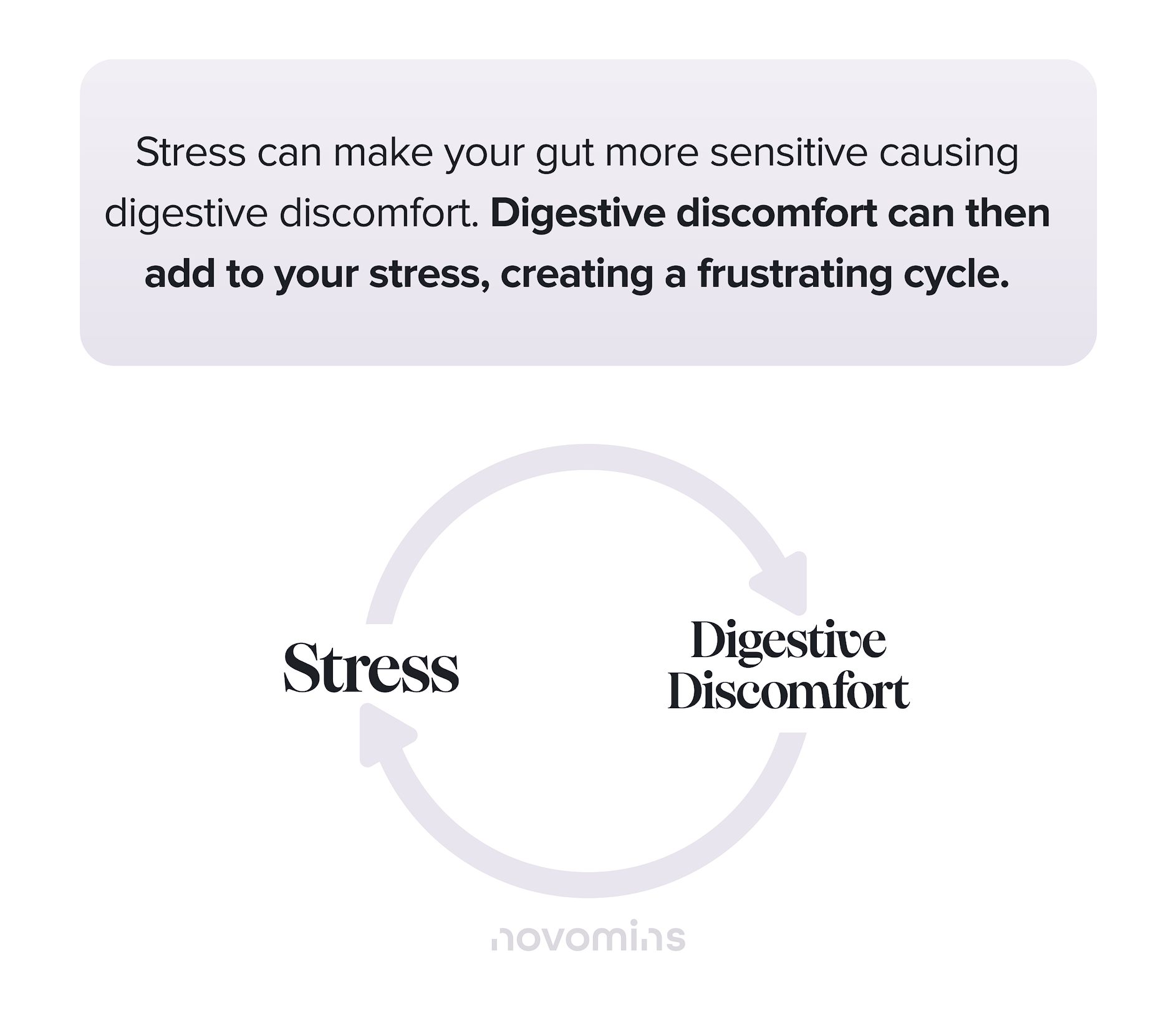
Stress can also make your gut more sensitive to normal amounts of gas and stretching. This means you may feel more pressure, fullness, or discomfort even when you are not producing extra gas.
View as text
Stress can make your gut more sensitive causing digestive discomfort. Digestive discomfort can then add to your stress, creating a frustrating cycle.
7. Shallow Breathing & Poor Posture
Breathing and bloating have a more complex relationship than you might expect. Your diaphragm, the main muscle involved in breathing, works alongside your abdominal muscles to help manage pressure inside your abdomen.
In some people with recurring visible bloating, the diaphragm and abdominal muscles respond differently to food or gas. The diaphragm moves down while the abdominal wall relaxes, pushing the tummy outwards. Known as abdominophrenic dyssynergia, this can cause visible swelling even without a large increase in intestinal gas.
Poor posture, like slouching, can contribute to shallow breathing.
8. Fibre Maxxing: Too Much, Too Soon
Fibre helps keep bowel movements regular, but increasing your intake too quickly can leave you feeling bloated. This can happen with “fibermaxxing”, the trend of packing more fibre into meals through foods such as beans, wholegrains, seeds, and fibre-enriched products.
Gut bacteria ferment certain types of fibre, releasing gas in the process. A sudden increase gives them more material to break down, which can lead to bloating, excess wind, and abdominal cramps, particularly if you usually eat relatively little fibre.
Give your gut time to adjust by building up your fibre intake gradually over several weeks, rather than making a big jump overnight. Spread fibre-rich foods across your meals, and drink enough fluids to help keep stools soft and easier to pass.
How to Reduce Bloating After Eating: Practical Tips
You do not need to overhaul your diet overnight. Start with one or two changes, and give yourself time to notice what works.

View as text
How to Reduce Bloating After Eating
- Chew Thoroughly
- Serve Smaller Portions
- Drink Enough Water
- Build Up Fibre Gradually
- Move After Meals
- Track Patterns
- Practice Belly Breathing
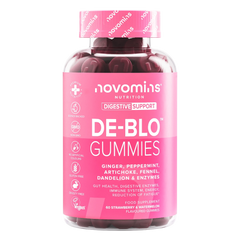
- Add De-Blo
1. Give Your Meal a Moment
Sit down, put your phone aside, and take smaller mouthfuls. Chew thoroughly with your mouth closed, and finish each mouthful before talking. If you regularly chew gum or drink through a straw, try taking a break from those habits, too.
2. Rethink the Portion, Not the Whole Menu
If a big dinner leaves you uncomfortable, try a smaller serving. Spread meals more evenly through the day, rather than arriving at dinner ravenous and eating everything at once. You may tolerate a smaller portion of a favourite food better than a large one.
3. Make Still Water Your Plus-One
Keep water within reach, and drink regularly throughout the day. If fizzy drinks are a daily habit, swap one for still water and see whether you notice a difference.
4. Build Up Fibre Gradually
Start with one manageable addition, such as high-fibre cereal at breakfast or a small serving of lentils in a soup. Spread fibre-rich foods across your meals, and drink enough fluids to help keep stools soft and easier to pass.
Going from very little fibre to lots overnight can leave you feeling more uncomfortable. Instead, give your gut time to adjust by building up your fibre intake gradually over several weeks, rather than making a big jump overnight.
5. Take a Walk After Meals
Try a short, comfortable walk after eating, whether that means a lap around the block or a stroll with a friend. Make movement a regular part of your day, especially after eating.
6. Track Patterns Before Banning Foods
Keep a simple note of what you ate, how much, when symptoms appeared, and your bowel habits. Add stress levels and your menstrual cycle where relevant.
Change one thing at a time. Testing a smaller portion or a lactose-free alternative is more informative than cutting out several food groups together.
7. Try Belly Breathing After Eating
Take a few quiet minutes after your meal to practise slow, diaphragmatic breathing. Sit comfortably upright, place one hand on your tummy, and breathe gently through your nose, allowing your abdomen to rise. Exhale slowly.
Belly breathing can help calm the stress response and may ease certain digestive symptoms, particularly when tension or altered muscle coordination contributes to discomfort.
8. Consider De-Blo as Part of Your Routine
Alongside mindful eating, hydration, and movement, De-Blo Gummies offer a convenient addition to your daily routine, combining botanicals, prebiotic fibre, live cultures, and essential nutrients.
Here’s a closer look at what’s inside and where each ingredient fits.

View as text
The Gut Reset
- Prebiotic Fibre
- Friendly Bacteria
- Digestion-Supporting Nutrients
- A mix of Traditional Tummy-Loving Botanicals
2 Gummies Per Day
Meet De-Blo: What’s Inside the Gummies?
Bloating has several possible drivers, so it makes sense to look beyond a single ingredient.
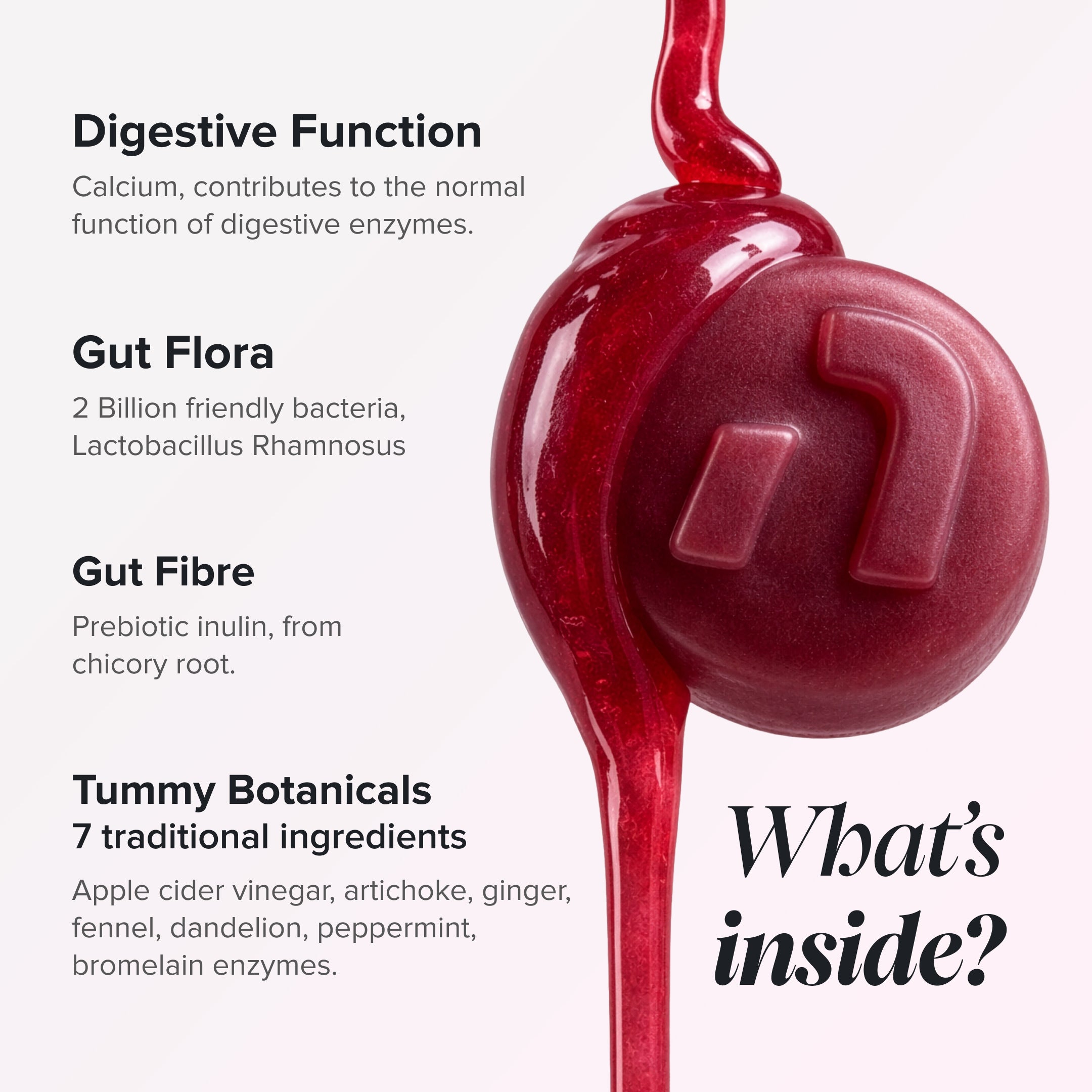
Novomins De-Blo Gummies bring together 12 ingredients, combining botanical extracts, bromelain, prebiotic fibre, live cultures, and essential nutrients in two daily gummies.
View as text
What's inside?
-
Digestive Function
Calcium, contributes to the normal function of digestive enzymes. -
Gut Flora
2 Billion friendly bacteria, Lactobacillus Rhamnosus -
Gut Fibre
Prebiotic inulin, from chicory root. -
Tummy Botanicals
7 traditional ingredients
Apple cider vinegar, artichoke, ginger, fennel, dandelion, peppermint, bromelain enzymes.
Here’s how the formula breaks down.
Friendly Flora: Lactobacillus Rhamnosis
Each serving provides 2 billion CFU of Lactobacillus Rhamnosus, one of the most researched probiotic strains.

View as text
Clinical research has shown that L. Rhamnosus can help balance the gut microbiota, supporting healthy bowel regularity, and may reduce bloating and digestive discomfort.
Prebiotic: Inulin Fibre
When Lactobacillus Rhamnosus is paired with prebiotic inulin fibre, the benefits can stretch even further.
Inulin acts as food for beneficial gut bacteria, encouraging their growth and supporting microbial diversity.

By combining a probiotic strain like L. rhamnosus with prebiotic inulin, De-Blo Gummies support both sides of the equation - introducing beneficial bacteria and providing the nourishment they need to thrive.
Gentle Botanicals
Each gummy contains a powerful soothing blend of artichoke, dandelion, fennel seed, ginger, and peppermint, traditional herbs known for their role in easing bloating and promoting digestive balance.
Digestive Nutrients
Calcium, zinc, and vitamin B6 round out the formula, each with their own powerful role in energy metabolism and digestive function.
- Calcium contributes to the normal function of digestive enzymes, promoting the efficient breakdown of food.
- Zinc supports normal macronutrient metabolism, assisting in the process of protein, fat, and carbohydrate digestion.
- Vitamin B6 contributes to normal energy-yielding metabolism, hormonal balance, as well as the reduction of tiredness and fatigue.
Together, these 4 pillars form the backbone of a healthy digestive process, addressing multiple causes of bloating inside each gummy.

View as text
When to De-Blo
- Daily with breakfast, for your gut
- Before a big meal
- Ahead of a night out, dressing up and want to feel your best
- On days meals, travel or routine throw your tummy off
How to De-Blo
De-Blo is not a "when-you-feel-like-it gummy". Digestive health gradually adjusts over time, so don't wait until the day before your big holiday.
Chew 2 strawberry and watermelon gummies each morning for all-day everyday support and make comfort your new plus-one.
Customer Reviews on Novomins De-Blo Gummies