



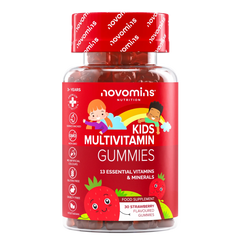

When the seasons change, so do you. The light softens, the air thickens, and your body quietly begins to recalibrate.
Maybe you’re sleeping a little longer. Maybe your energy feels just slightly out of tune. That’s your body adapting, adjusting its rhythm to match the world around it.
Before the sniffles start or the slump sets in, pause.
This is your moment to understand what your immune system really needs, and how to keep it supported from within.
Diet and Your Immune System
The cells that defend your body are in constant motion identifying, signalling, and neutralising potential threats. To do this effectively, they rely on a steady supply of nutrients that act as cofactors in countless biochemical reactions.
Decades of research show that nutritional status has a direct influence on immune competence.
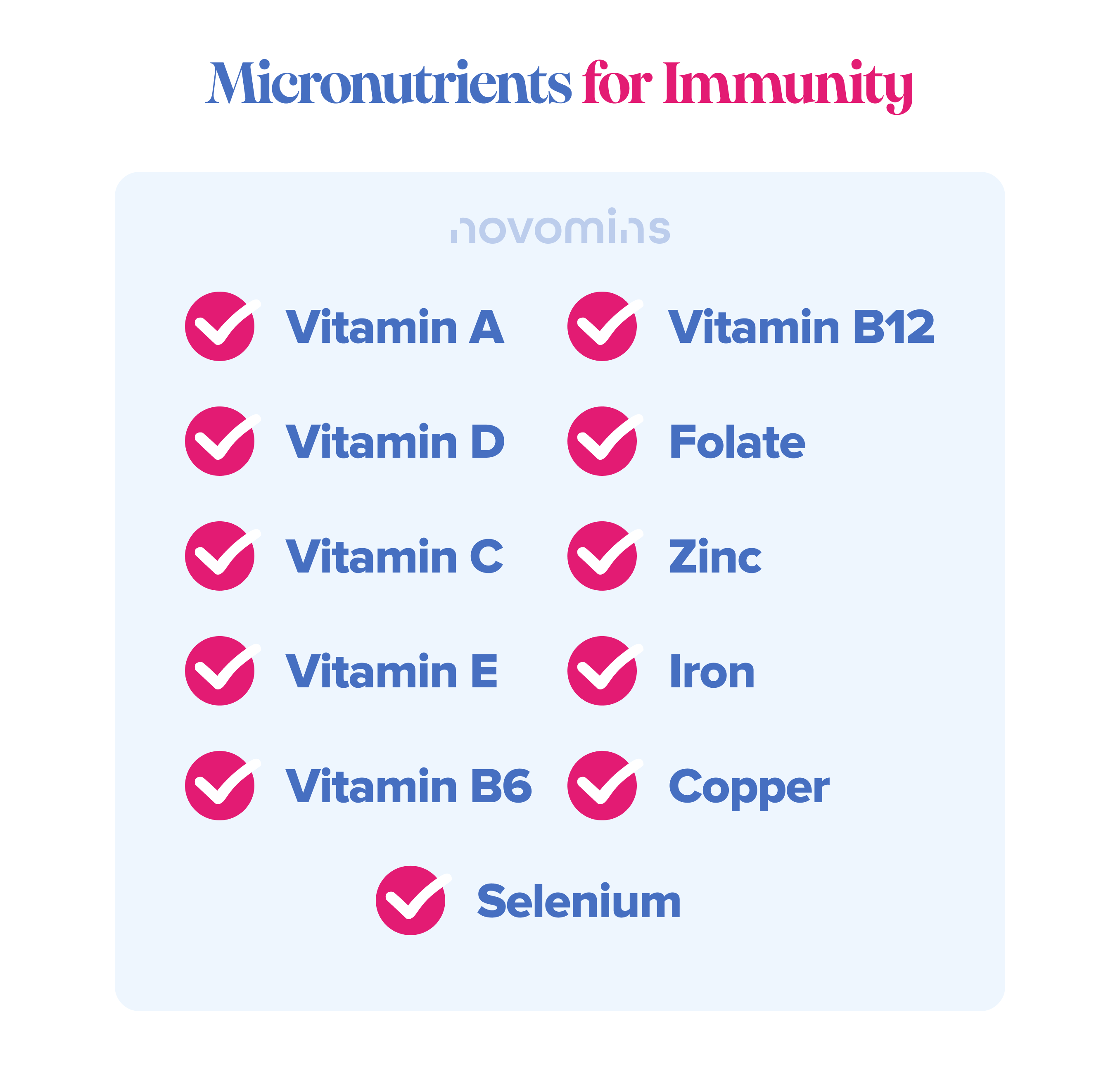
Studies have shown that deficiencies in key micronutrients (including vitamins A, D, C, E, B6, and B12, folate, zinc, iron, copper, and selenium) play a vital role at every stage of the immune response.
Sufficient levels of these nutrients are vital for maintaining the integrity of physical barriers and the activity of immune cells. However, studies show that the micronutrient amounts required for optimal immune support may exceed current recommended daily intakes.
View as text
- Vitamin A
- Vitamin D
- Vitamin C
- Vitamin E
- Vitamin B6
- Vitamin B12
- Folate
- Zinc
- Iron
- Copper
- Selenium
Why We Get Sick More in Winter
Winter changes the environment your immune system operates in.
Less sunlight means your body produces less vitamin D, which contributes to the normal function of the immune system.
Cooler, drier air can make your airways more sensitive and more time indoors simply means more shared air and surfaces.
Your immune system is adaptable, but consistent nourishment, rest, and hydration could help it function at optimal levels.

View as text
- Less Sunlight = Less Vitamin D
- Cooler, Drier Air = Airway Sensitivity
- More Time Indoors = More Shared Surfaces
Vitamin C: Everyday Antioxidant Support
Vitamin C contributes to the normal function of the immune system and to the protection of cells from oxidative stress.
It also contributes to normal collagen formation for the normal function of skin, blood vessels, and gums, all important parts of your body’s first line of defence.
View as text
Science Spotlight
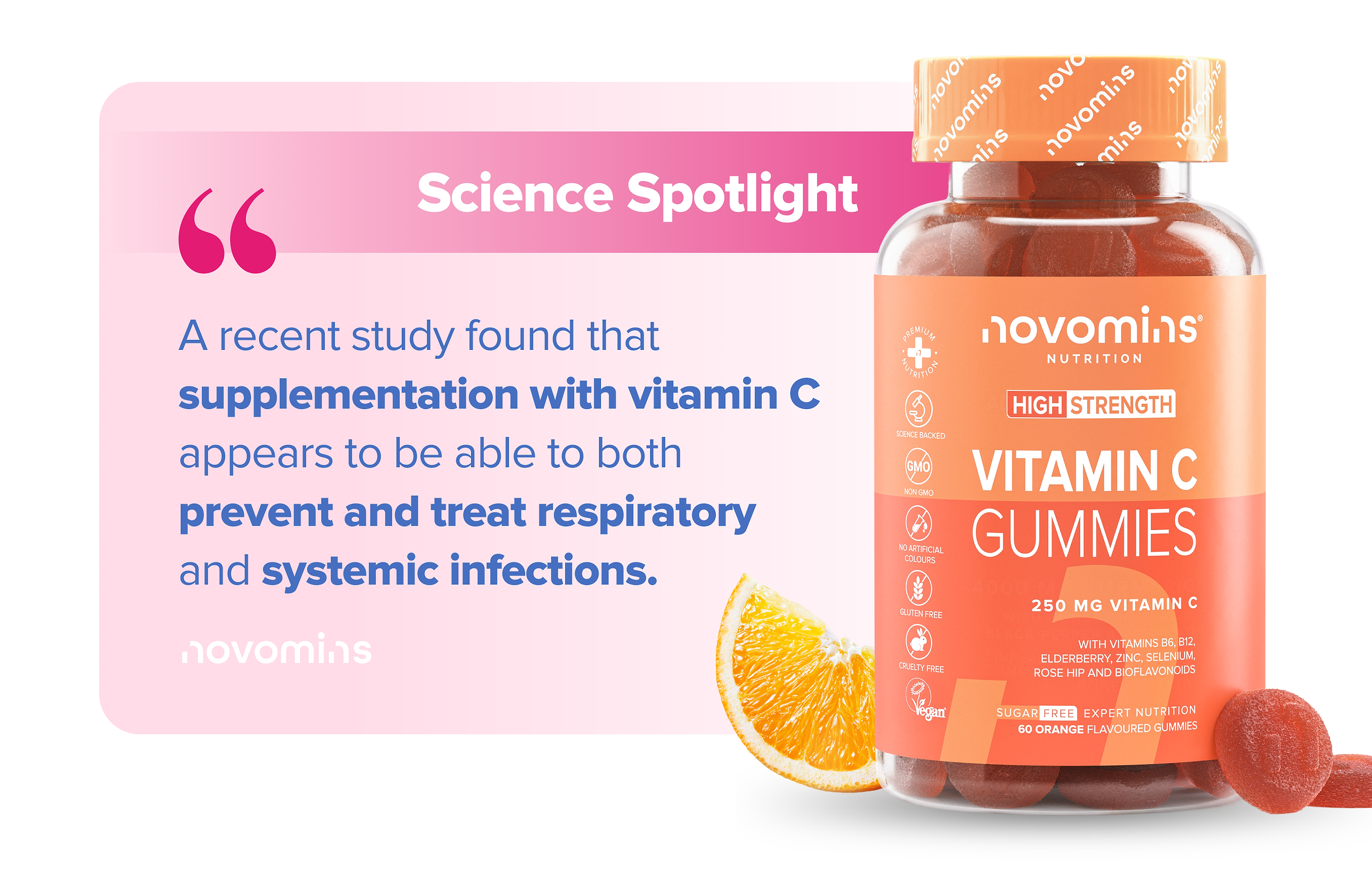
A recent study found that supplementation with vitamin C appears to be able to both prevent and treat respiratory and systemic infections.
🍊 Adding vitamin C daily could prove beneficial in maintaining steady antioxidant and immune support through the season.
Vitamin D: The Sunshine Nutrient
With shorter days and less sunlight, vitamin D levels tend to drop in winter.
Vitamin D contributes to the normal function of the immune system and plays a role in the normal absorption and utilisation of calcium and phosphorus. It also contributes to the maintenance of normal bones, muscles, and teeth.
View as text
Science Spotlight
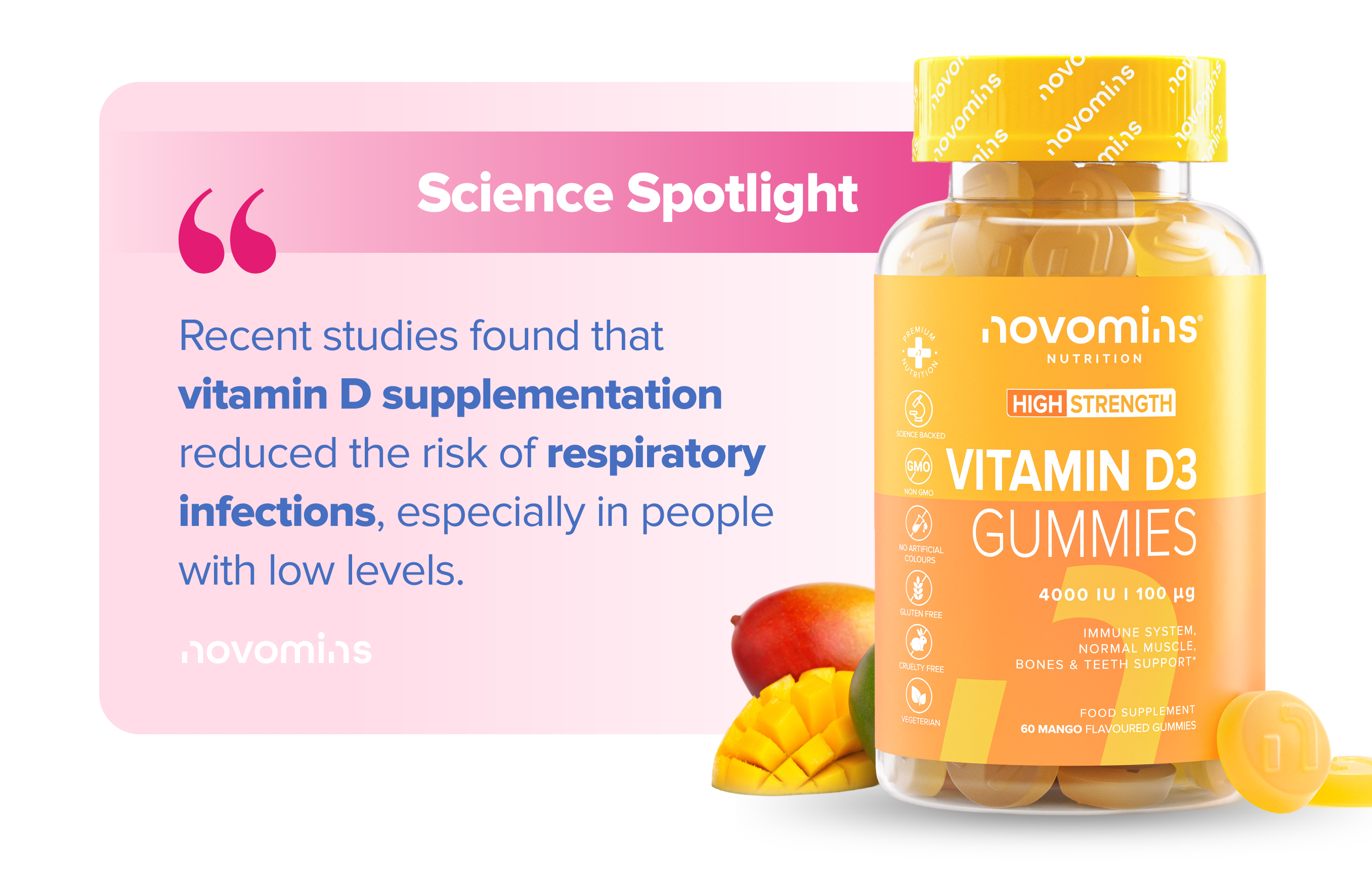
Recent studies found that vitamin D supplementation reduced the risk of respiratory infections, especially in people with low levels.
☀️ A small daily dose, especially during winter months could prove helpful in maintaining immune balance when sunlight is scarce.
Iron: The Oxygen Carrier
If you’re feeling more tired than usual, it might not just be the weather.
Iron contributes to the normal formation of red blood cells and haemoglobin, helping transport oxygen throughout the body.
It also contributes to the normal function of the immune system and to the reduction of tiredness and fatigue.
When iron stores are low, circulation can become less efficient, leaving you with lower energy, slower recovery, and sometimes cold hands and feet.
View as text
Science Spotlight
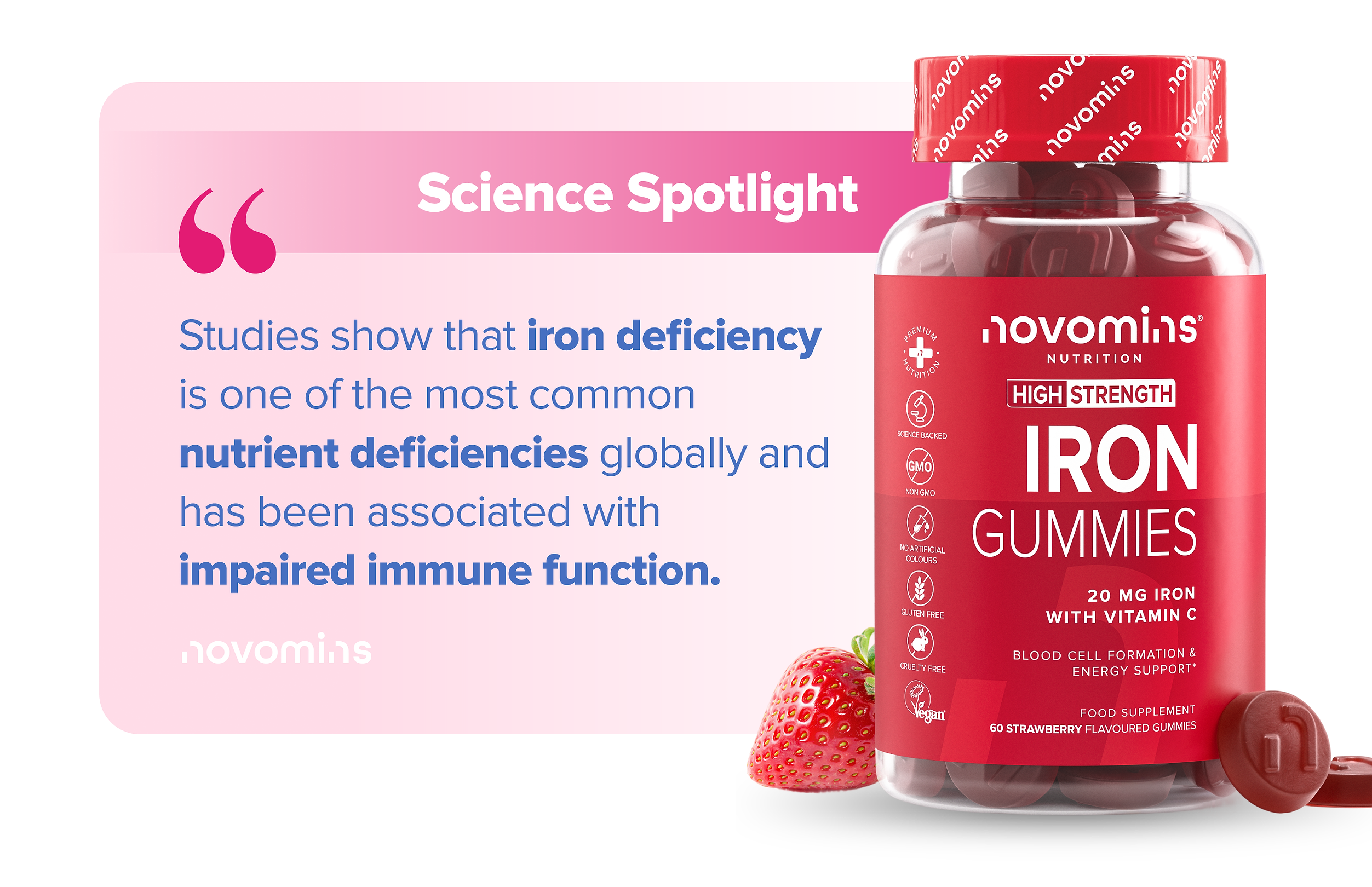
Studies show that iron deficiency is one of the most common nutrient deficiencies globally and has been associated with impaired immune function.
🛡️ Maintaining adequate iron levels can be key to supporting energy, oxygen flow, and immune function.
Turmeric: The Golden Bonus
Turmeric could be the golden spice that adds a little extra harmony to your winter wellness routine.
Curcumin, the active compound in turmeric, has been used in traditional medicines for its balancing and anti-inflammatory properties.
View as text
Science Spotlight
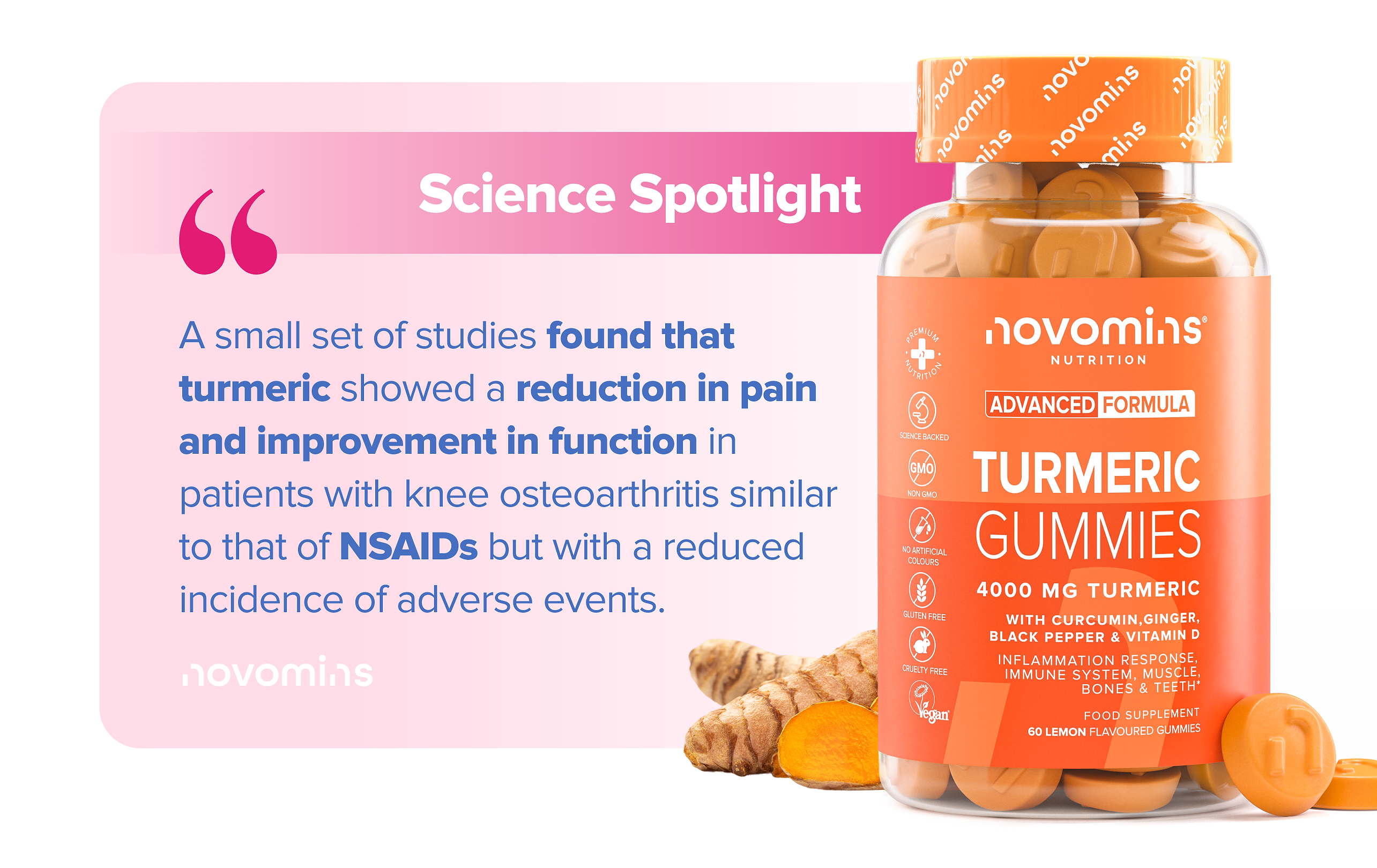
A small set of studies found that turmeric showed a reduction in pain and improvement in function in patients with knee osteoarthritis similar to that of NSAIDs but with a reduced incidence of adverse events.
Immune Function and Chronic Stress
Your immune system doesn’t work in isolation, it’s tightly linked to your stress response. When you experience ongoing stress, your body activates two key pathways: the hypothalamic-pituitary-adrenal (HPA) axis and the sympathetic nervous system (SNS). Together, they trigger the release of cortisol and adrenaline, hormones designed to help you cope in the short term.
In moments of acute stress, this response can be helpful, briefly activating immune cells to heighten your body’s defences. But when stress becomes chronic, those same mechanisms start to backfire.
👉 Studies found that prolonged exposure to stress hormones can suppress immune cell activity, reduce antibody production, and increase systemic inflammation, effects that may leave you more susceptible to infections and slower to recover.
View as text
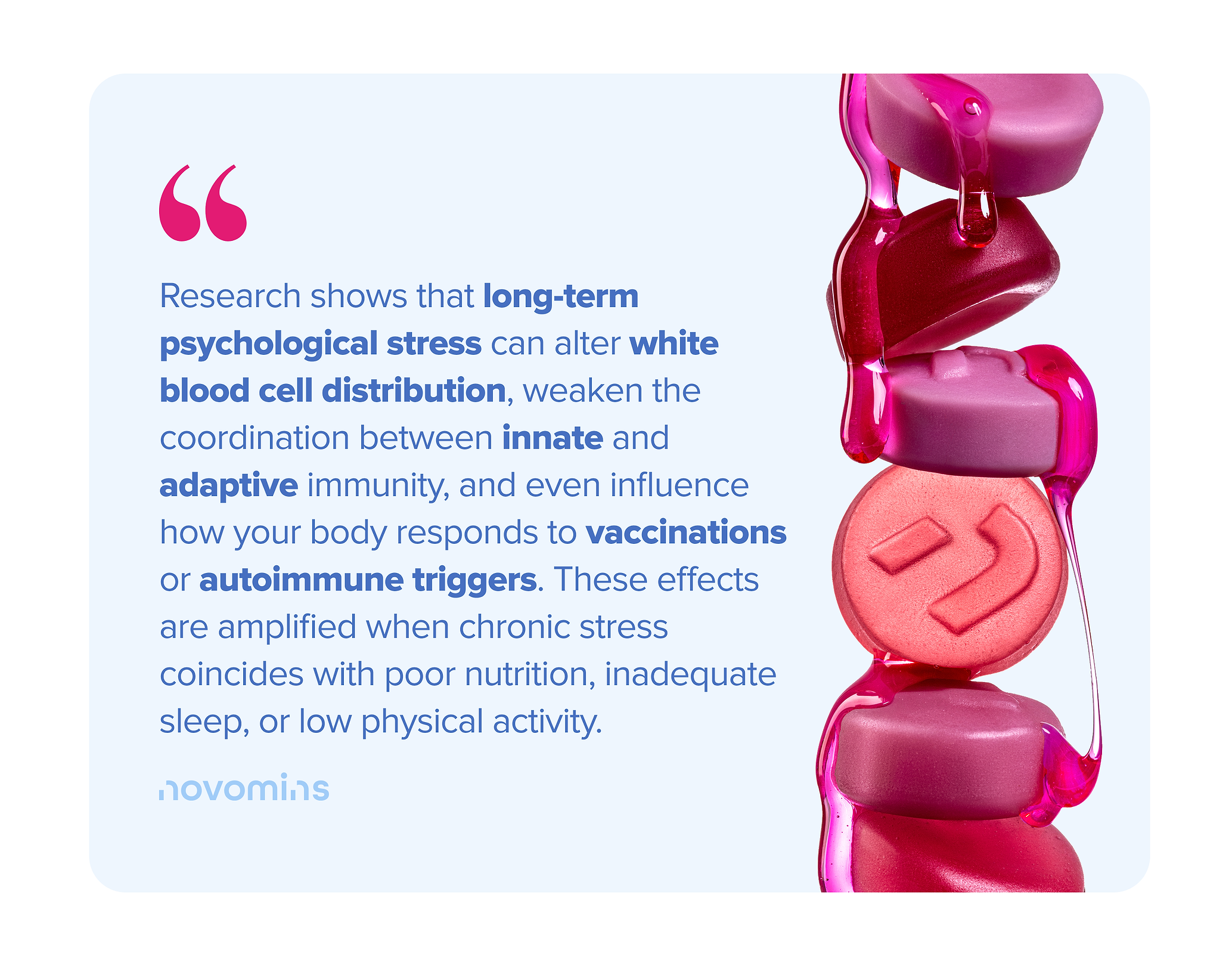
Research shows that long-term psychological stress can alter white blood cell distribution, weaken the coordination between innate and adaptive immunity, and even influence how your body responds to vaccinations or autoimmune triggers. These effects are amplified when chronic stress coincides with poor nutrition, inadequate sleep, or low physical activity.
Maintaining balance means caring for both body and mind. A nutrient-rich diet, consistent rest, movement, and mindful relaxation could prove helpful in regulating stress hormones, supporting a more resilient immune system.
Lifestyle and Immunity
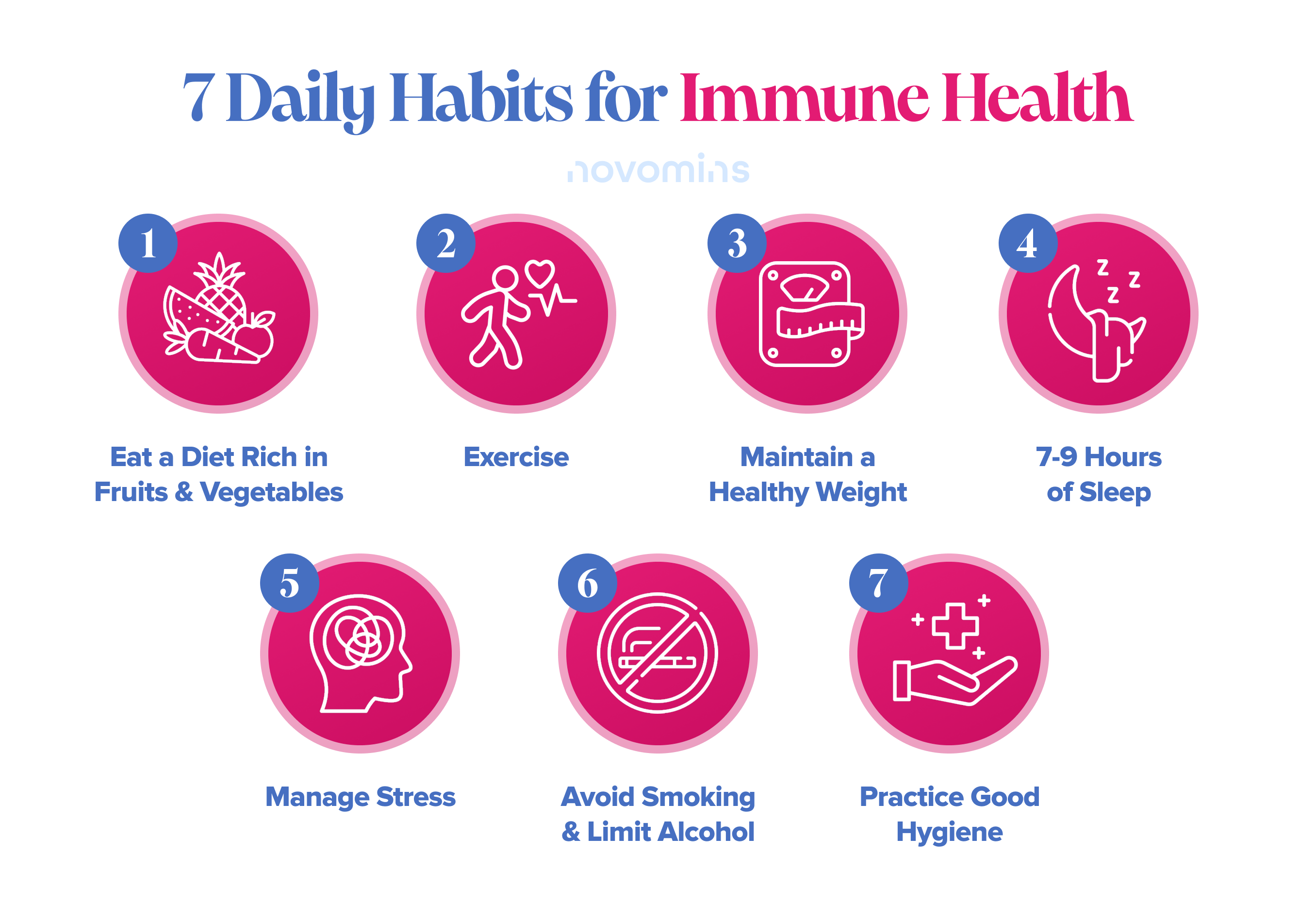
While no product can “boost” immunity beyond its natural capacity, your lifestyle has a measurable effect on how your immune system performs.
View as text
- Eat a Diet Rich in Fruits & Vegetables
- Exercise
- Maintain a Healthy Weight
- 7-9 Hours of Sleep
- Manage Stress
- Avoid Smoking & Limit Alcohol
- Practice Good Hygiene
These choices can help create the internal balance your immune system thrives on.
Your Immunity Essentials, Made Delicious
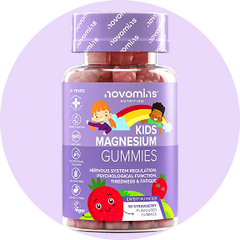
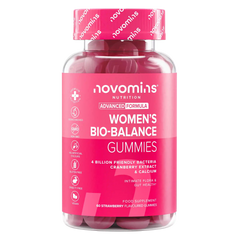
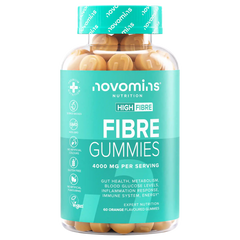
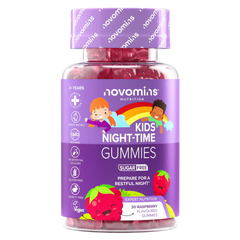
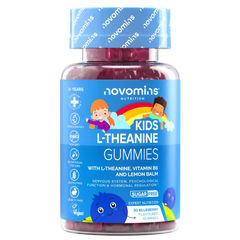
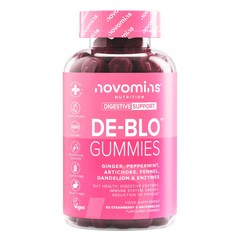
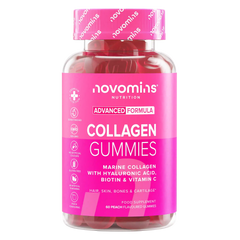
Meet the Novomins gummies designed to make your immune routine taste as good as it feels.
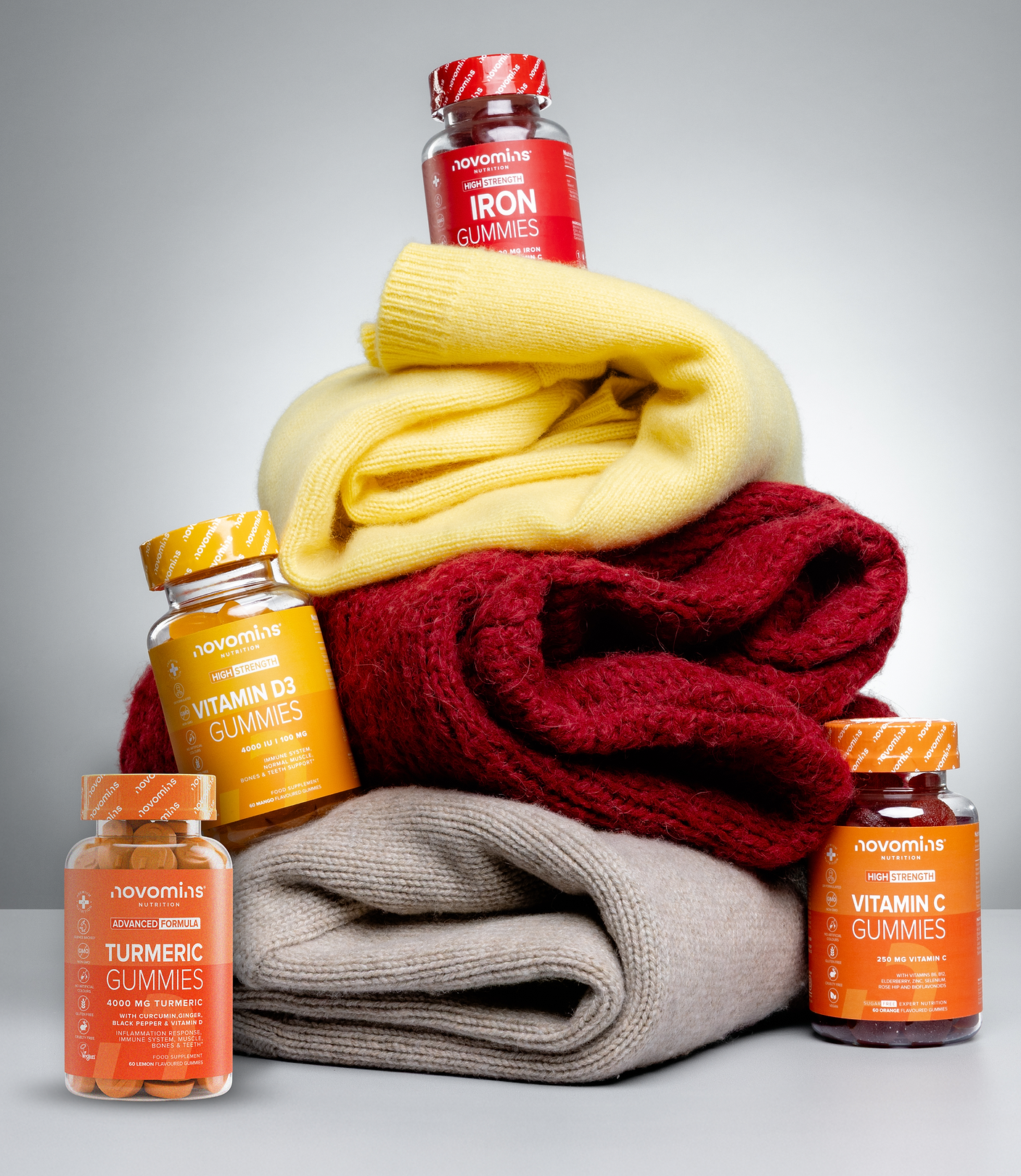
Because staying well this winter doesn’t have to mean sacrifice. It just needs nourishment, rhythm, and maybe a few delicious gummies.