










It is a familiar scene: toast, pasta, nuggets, maybe a banana if you are lucky.
Comforting, yes, but not exactly gut-fuelling.
Fibre is the quiet hero most beige diets forget. Fibre is known for its role in supporting normal digestion, contributing to regular bowel function, and keeping things moving for both kids and adults.
According to the UK National Diet and Nutrition Survey (NDNS 2019-2023), 96% of adults and children aged 11-18 don't get enough fibre, suggesting that missing fibre could be behind sluggish tummies, low energy, or irregular days.
Before you plan those lunchboxes, learn how fibre quietly fuels digestion, energy, and long-term health - far more than you think.
What does fibre do?

View as text
What Fibre Does for the Body
Fibre is known as the quiet hero that influences almost every system in the human body and studies have shown it plays a role in key processes supporting:
- Regular Digestion
- Beneficial Gut Bacteria
- Balanced Cholesterol and Blood Sugar
- Healthy Weight
- Long-Term Heart and Bowel Health
- Immune Function
- Psychological Function
- Healthy Growth
- Hormone & Metabolic Balance
Fibre works from within the gut microbiome, the trillions of bacteria living in the digestive tract.
When fed with fibre, these microbes produce short-chain fatty acids (SCFAs) such as butyrate, which help nourish the colon wall and support immune balance.
Furthermore, studies show that the by-products of the fermentation of fibre in the gut show health benefits that extend beyond the gut to the immune system and organs such as the liver, kidneys and the brain.

View as text
| Type | Found In |
|---|---|
| Soluble fibre | Oats, Beans, Apples |
| Insoluble fibre | Wholegrains, Nuts, Bran |
| Fermentable fibre | Bananas |
| Viscous fibre | Flaxseeds |
Most foods naturally contain a mix of fibre types, so variety matters more than quantity alone.
Wholegrains and Bowel Health
Wholegrains are natural fibre powerhouses that can help support long-term gut health.
They include all three parts of the grain (bran, germ, and endosperm) which retain fibre, vitamins, and minerals.
Refined grains such as white rice or white bread lose most of these nutrients during processing.

View as text
Research Spotlight
The PLCO Cancer Screening Trial found that people with higher fibre intake, particularly from cereal and fruit, had lower risks of colorectal adenoma and distal colon cancer.
The Secret Benefits of Fibre
Fibre is often praised for digestion, but its effects go far beyond the gut. From the immune system to overall mood, this everyday nutrient quietly supports balance throughout the body.

View as text
The Secret Benefits of Fibre
- Immune Support
- Mood & Mental Wellbeing
- Hormonal & Metabolic Balance
Immune Support
Studies show that 70-80% of immune cells live in the gut. When the gut bacteria are well-fed with fermentable fibres, they produce short-chain fatty acids such as butyrate.
These compounds help support the gut barrier, which acts as a protective layer between the digestive system and the rest of the body.
🔍 Numerous studies have shown that a healthy gut barrier helps the immune system respond more effectively while maintaining balance.
Mood and Mental Wellbeing
The gut and brain are connected through a communication pathway called the gut-brain axis.
When gut bacteria thrive, they produce neurotransmitters and metabolites that can influence mood and cognitive function.
🔍 Research suggests that a fibre-rich diet can support psychological wellbeing and help reduce tiredness by promoting a more stable microbiome and energy balance.
Hormonal and Metabolic Balance
Certain fibres can help support normal hormone metabolism by binding to excess hormones in the digestive tract and assisting their natural elimination.
🔍 Research shows that fibre also helps regulate post-meal blood sugar levels, which can contribute to more stable energy and fewer mood swings through the day.
🔬 Science insight: Low-fibre diets have been linked to greater inflammation, disrupted gut-brain communication, and lower microbial diversity - all of which can affect mood and immune health.

View as text
| Group | Recommended Daily Intake |
|---|---|
| 1–3 years | 15g |
| 4–8 years | 20g |
| 9–13 years | 25g |
| Adults | 25–30g |
Foods with 6g or more fibre per 100g count as high-fibre choices.
Fibre for Kids
In kids, constipation is more common than most parents realise and it often creeps up quietly. One missed day becomes two, and before long, your little one’s tummy feels heavy, bloated, or sore.
Keeping track can be tricky, especially when diets lean beige and fibre falls short. Between picky eating, busy mornings, and not enough water, their digestion can easily slow down.
Fibre can help support digestion naturally. It plays a key role in supporting regular bowel movement and feeding the gut’s friendly bacteria, tiny helpers that play a big role in digestion and immunity.
The Scary Side of Low Fibre: Impaction
When constipation is left unchecked, stool can harden and build up in the colon. This is called faecal impaction, and it can make children feel unwell, tired, or even lose their appetite.
The NHS lists low fibre intake, dehydration, and inactivity as leading causes of impaction.
The good news? A steady intake of fibre, plenty of fluids, and daily movement can help keep digestion smooth and bellies happy.
And when diet alone is not enough, Novomins Kids Fibre Gummies make it easy to fill the gap - a gentle, tasty chew designed for growing tummies that do not always love their greens.

Fibre for Adults
For most adults, fibre is the forgotten habit that quietly falls off the plate. Research shows the average person gets just 18 to 20 grams a day, far below the recommended 25 to 30 grams.
That gap matters. Diets richer in fibre have been linked to better digestion, smoother energy, and a lower risk of heart disease, stroke, type 2 diabetes, and bowel cancer.
But between long workdays, quick meals, and grab-and-go snacks, hitting your daily goal can feel like a full-time job. The good news? A few small swaps make a big difference.

View as text
Simple Ways to Up Your Fibre
- Choose wholemeal bread and pasta instead of white
- Snack smart with nuts, seeds, or fruit
- Add lentils or beans to soups, stews, or salads
- Start the day with oats, chia pudding, or bran cereal
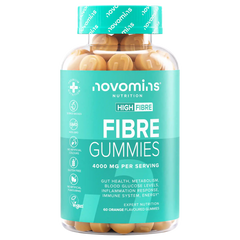
If busy schedules or beige lunches get in the way, Novomins Fibre Gummies make it easy to stay on track. Each juicy chew delivers daily support for digestive balance - no powders, prep, or blender required.

Water and Fibre: The Perfect Pair
Fibre needs water to work effectively. When fibre absorbs water, it softens stool and helps waste move comfortably through the intestines. Without enough fluids, fibre can cause dryness, bloating, or constipation.
For Children
- Encourage sipping water throughout the day
- Offer water or milk instead of sugary drinks
- Pair every meal and snack with a drink
For Adults
- Aim for 6 to 8 glasses of water per day
- Increase fluids when exercising or in hot weather
- Include hydrating foods like fruit, soups, and vegetables

View as text
Research Spotlight
Research shows that hydration supports fibre’s stool-softening and fermentation benefits, helping maintain bowel comfort and microbiome balance.
TL;DR
- 96% of adults and children aged 11-18 don't get enough fibre.
- Kids: 15-25 g daily | Adults: 25-30 g daily
- Wholegrains, fruit, vegetables, and legumes are top sources of fibre.
- Studies have shown that a diet high in dietary fibre has been associated with
- a lower risk of heart disease, stroke, diabetes, and bowel cancer in adults
- healthy growth, immune function, and mood function in kids
- Novomins Fibre Gummies - now available for both adults and kids in a friendly format everyone loves.